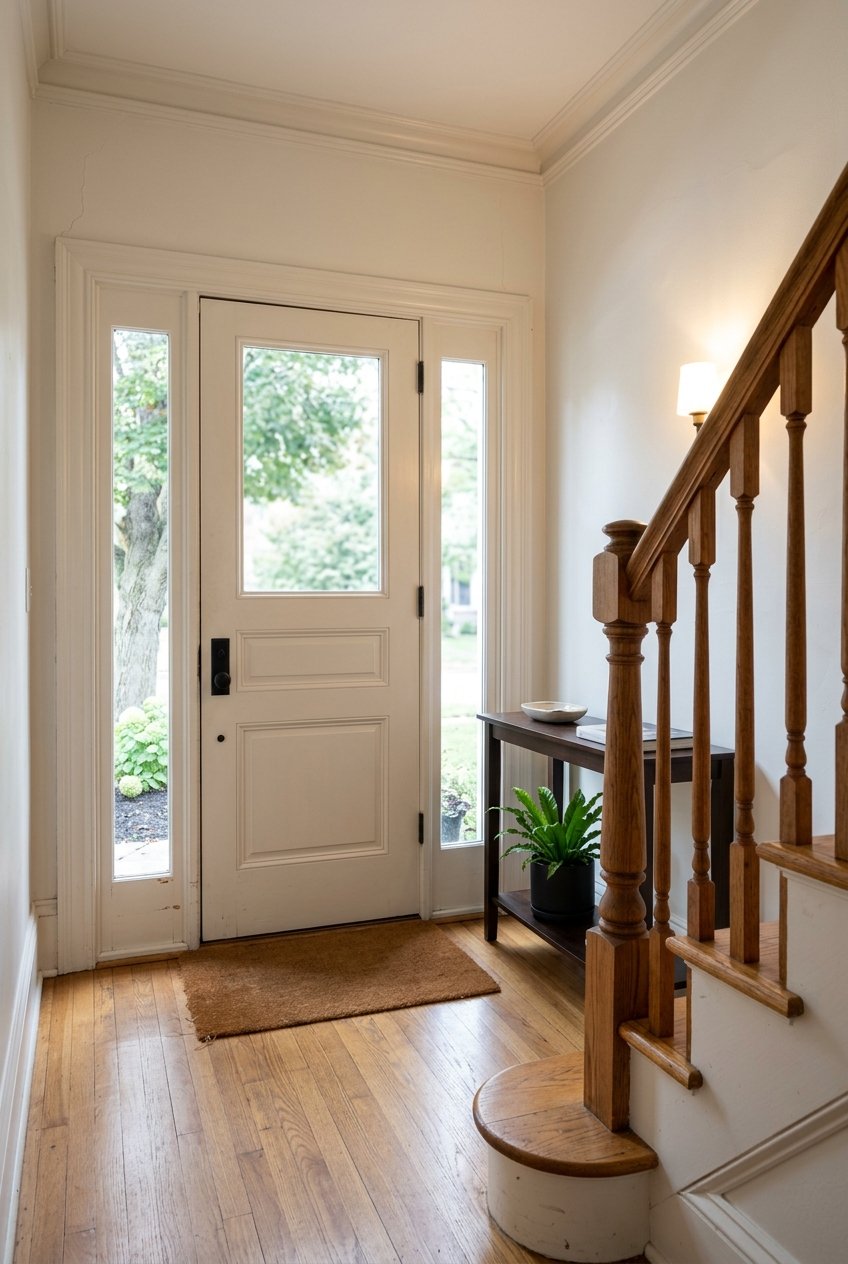
If you are thinking about buying a home on or near Ashland Avenue, you are probably drawn to something you cannot fake: mature trees, older architecture, and a street that feels different from a standard subdivision. At the same time, older homes can bring real questions about price, upkeep, and what you are actually getting for your money. This guide will help you compare Ashland Avenue with nearby St. Joseph options, understand what the market suggests, and build a smart buying plan. Let’s dive in.
Ashland Avenue at a Glance
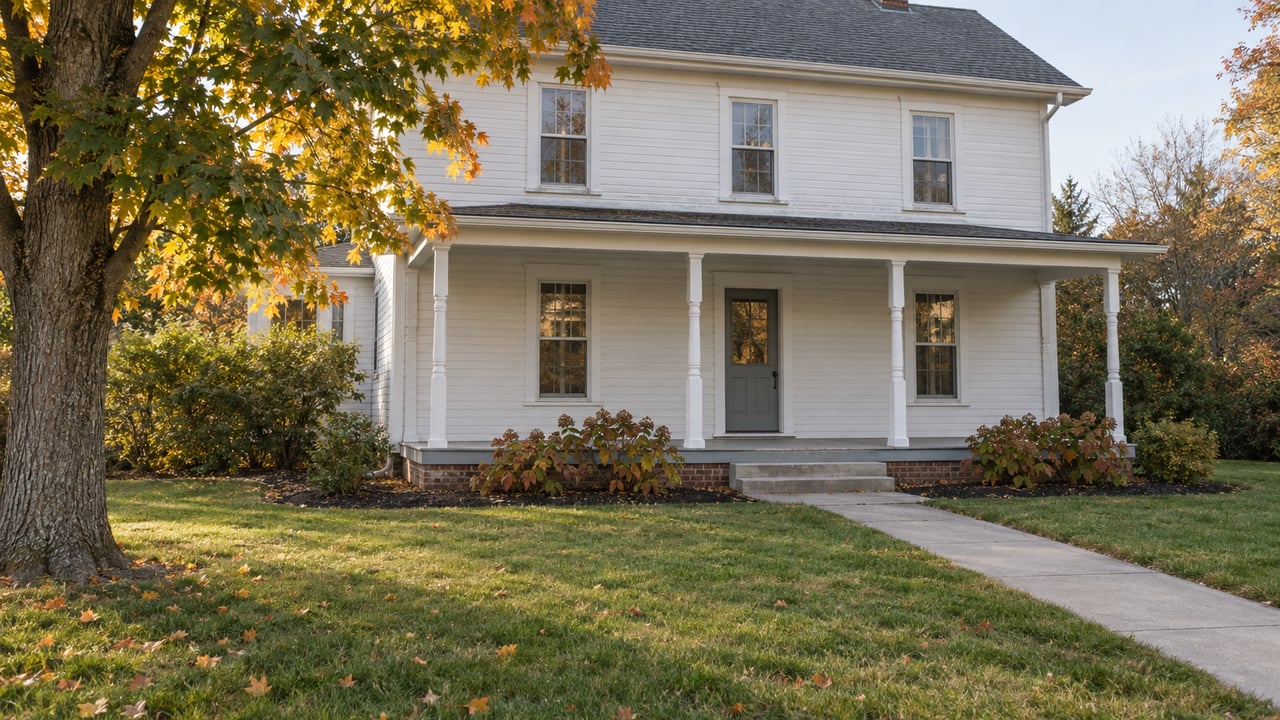
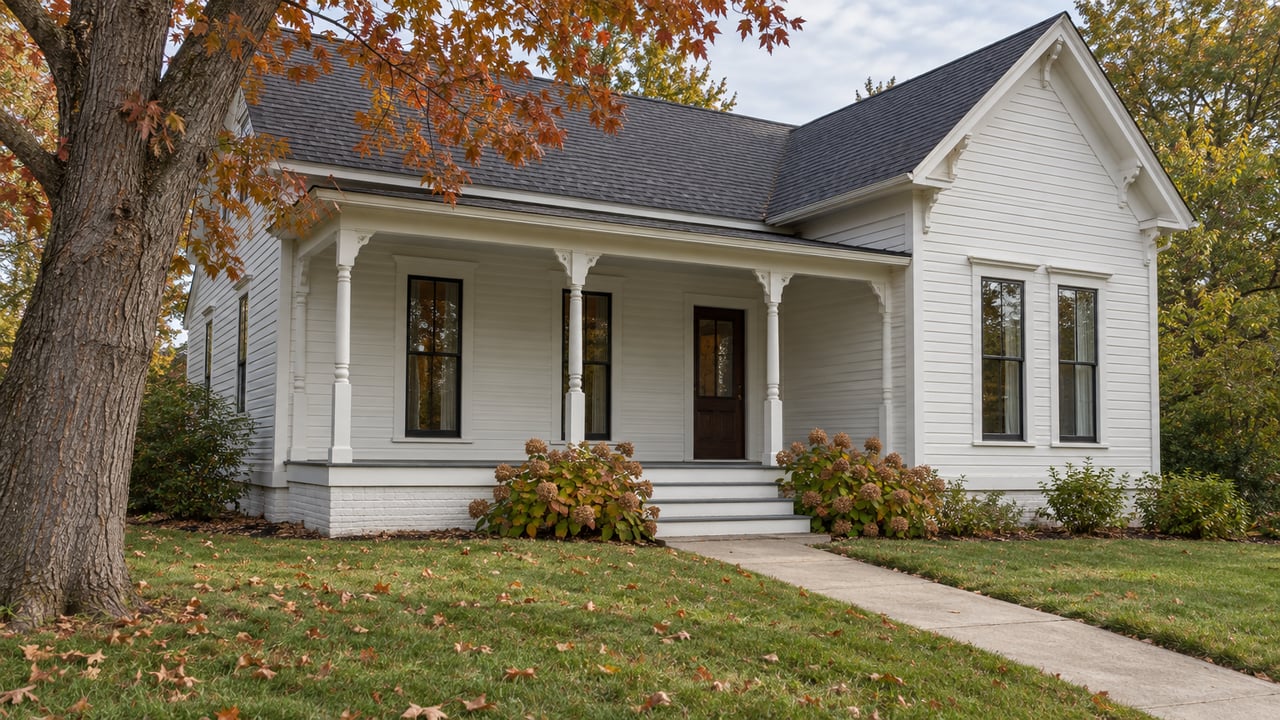
Ashland Avenue stands out as its own neighborhood on the City of St. Joseph neighborhood map. The city’s historic architecture materials describe the Ashland Avenue and Lovers Lane area as tree-lined, heavily landscaped, and architecturally varied.
That setting helps explain why many buyers notice Ashland right away. A state historic-resources survey also notes that the old road to Robidoux followed the same route as Ashland Avenue and Frederick Avenue, which gives the corridor an older, established feel as an approach into the city.
What Homes on Ashland Are Like
Most current examples on Ashland Avenue are early-20th-century homes. Recent listings include homes built in 1916, 1922, and 1924, which tells you a lot about the kind of housing stock you are likely to see.
For you as a buyer, that often means character details, varied floor plans, and homes that do not all look the same. It can also mean deferred maintenance, older systems, and updates that were done in stages over time instead of all at once.
Ashland Avenue Price Range
One of the most important things to know is that Ashland Avenue does not fit a single price point. Recent examples range from a $229,000 home with 1,308 square feet on about 0.26 acre to a $289,900 home with 1,780 square feet, while a nearby home value example on Ashland is around $699,000 with more than 4,300 square feet and roughly 0.8 acre.
That spread matters because it shows Ashland can appeal to more than one type of buyer. You may find a smaller historic property with manageable space, or you may find a much larger home with a bigger lot and a higher maintenance commitment.
How Ashland Compares to 64501 and 64506
Even though your target ZIP is 64501, the Ashland corridor shows up mainly in 64506 market data and listings. That makes it more useful to compare Ashland with central St. Joseph options in 64501 and nearby historic districts instead of treating it like a typical 64501 block.
Recent market snapshots show 64501 with a median listing price of $154,500, 71 homes for sale, and a median 53 days on market. By comparison, 64506 shows a median listing price of $322,500, 67 homes for sale, and a median 39 days on market.
In practical terms, Ashland appears to align more closely with the broader 64506 market than with the lower-priced 64501 core. If you are shopping Ashland, it helps to set expectations around pricing, competition, and home condition with that in mind.
Lot Size and Outdoor Space
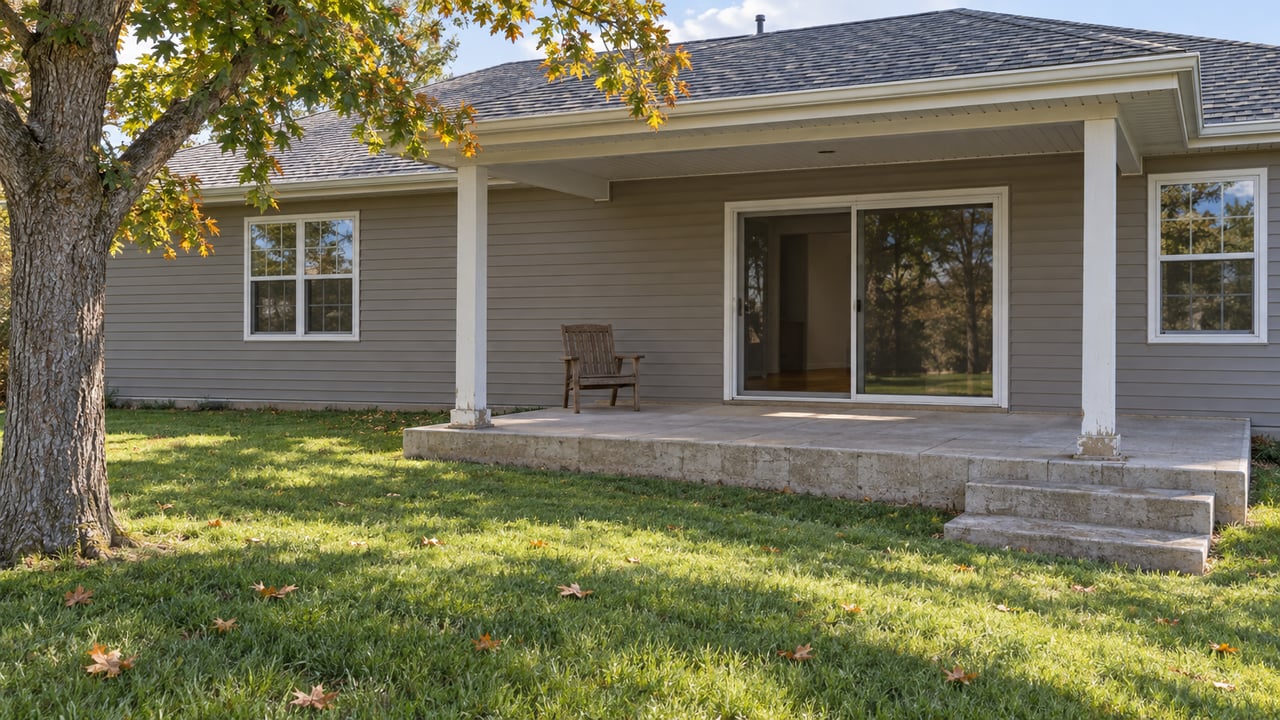
Lot size is one of the clearest differences between Ashland Avenue and many inner-core 64501 options. Current 64501 examples include homes on lots of 3,125 and 4,792 square feet, while Ashland examples commonly run around a quarter acre or larger.
For many buyers, that makes Ashland a middle ground. You can often get more privacy and outdoor space than you would on denser central-city blocks, but you should also expect more purchase cost and more yard upkeep.
Comparing Ashland to Nearby Neighborhood Options
If you are still deciding where to focus your search, it helps to compare Ashland with a few nearby central St. Joseph areas. Each option offers a different tradeoff in price, setting, and housing style.
Hall Street and Old Town North
Old Town North includes Hall Street, Cathedral Hill, and Robidoux Hill. The city describes this area as walkable, with sidewalks, some intact brick streets, and a range of homes from grand mansions to more modest historic properties.
A Hall Street market snapshot is about $169,900, which is slightly above the overall 64501 median. If you care most about historic street character and walkability, Hall Street may be a better fit than Ashland, though you will often give up some yard size and predictability.
Museum Hill
Museum Hill is a mixed residential and religious district with a strong Victorian style presence. The city notes that brick sidewalks run throughout the district, which adds to its historic feel.
Market snapshots show only about 7 to 9 homes available with a median price around $130,000 to $135,000 and a median 95 days on market. Compared with Ashland, Museum Hill can offer more immediate historic ambiance and central character, but usually with fewer active choices and a greater chance that a home needs substantial work.
Frederick Avenue and Midtown
Historic Midtown’s Harris-Kemper area is described as a mixed residential and commercial district with a wide range of architecture and preserved historic details like original curbing and herringbone sidewalks. Historic surveys also describe Frederick as one of the busiest streets leading into and out of the central business district.
Current examples reflect that range. One Frederick property sold for $185,900 with 2,360 square feet on a 7,405-square-foot lot, while another larger 1906 home is estimated around $642,800 with 6,000 square feet and about 0.92 acre.
Frederick can make sense if you want a more mixed-use urban edge or a larger parcel in some cases. The tradeoff is that traffic exposure may be more noticeable than on Ashland.
Who Ashland Avenue Fits Best
Ashland Avenue often works well if you want older St. Joseph character, mature landscaping, and more yard than many central-city blocks provide. It can be a strong choice if you appreciate historic homes but do not necessarily want the same level of density or tight lot pattern found in some nearby districts.
It may be less ideal if your top priority is the lowest entry price or a home that is likely to need fewer updates. Since many homes are older, the buying decision often comes down to balancing charm with condition and long-term upkeep.
Inspection Tips for Older Ashland Homes
If you are serious about buying on Ashland, schedule the home inspection early. The Consumer Financial Protection Bureau notes that a home inspection and an appraisal serve different purposes, and buyers generally need both.
An inspector is there to give you an honest assessment of the property’s condition. A contingency can also help protect you if major issues show up after you are under contract.
What to Look at Closely
On older homes, it is wise to pay close attention to major systems and signs of piecemeal updates. Since many Ashland homes date to the early 1900s, you want as much clarity as possible about what has been updated, what is aging, and what may need attention soon.
Focus your questions on:
- Roof age and visible wear
- Electrical system updates
- Plumbing condition
- Heating and cooling systems
- Window condition and insulation performance
- Foundation or moisture concerns
- Signs of deferred exterior maintenance
Lead Paint and Renovation Planning
For pre-1978 homes, lead is one of the biggest age-related issues to consider. The EPA states that the older the building, the more likely it is to contain lead-based paint.
If you plan to renovate, it is smart to either hire a certified inspector or risk assessor, or move forward assuming lead may be present until proven otherwise. The EPA also recommends lead-safe work practices and certified contractors when renovation work is involved.
Financing Options for Homes Needing Work
If you find an Ashland property with great potential but obvious repair needs, ask your lender whether renovation financing may fit your situation. HUD’s Section 203(k) program is designed to combine purchase and rehabilitation costs into one mortgage.
That can be useful when you love the location and character of an older home but know the systems or finishes will need work. It gives you another path to consider instead of limiting your search only to move-in-ready homes.
Budgeting for Taxes and Carrying Costs
When you run your monthly numbers, do not stop at principal and interest. Missouri defines assessed value as a portion of true value, and residential real property is assessed at 19 percent as of January 1.
Buchanan County also notes that appeals can be supported with a recent appraisal and neighborhood sales. One recent Ashland listing showed 2025 taxes of $1,627, which is a useful reminder that carrying costs still matter even when the purchase price feels manageable.
A Smart Buying Strategy for Ashland Avenue
If Ashland Avenue is on your shortlist, your best plan is simple and practical. Compare each property carefully, inspect early, and build your budget around both current condition and likely future upkeep.
A smart checklist includes:
- Compare Ashland pricing against both 64506 and nearby 64501 alternatives
- Look closely at lot size, not just house size
- Review the age and condition of major systems
- Ask about repairs, updates, and renovation history
- Plan for possible lead-related precautions in pre-1978 homes
- Budget for taxes, maintenance, and potential rehab costs
Buying on or near Ashland Avenue can be a great move if you want a home with presence, outdoor space, and historic character in St. Joseph. The key is to go in with clear expectations about price, condition, and the kind of upkeep older homes can require.
If you want local guidance as you compare Ashland Avenue with Hall Street, Museum Hill, Frederick, or other St. Joseph neighborhoods, the team at CHL Group is here to help you weigh your options and buy with confidence.
FAQs
What is Ashland Avenue like in St. Joseph?
- Ashland Avenue is recognized by the City of St. Joseph as its own neighborhood and is described as tree-lined, heavily landscaped, and architecturally varied.
Are homes on Ashland Avenue mostly older houses?
- Yes. Recent examples on Ashland include homes built in 1916, 1922, and 1924, so buyers should expect early-20th-century housing stock.
Is Ashland Avenue more like 64501 or 64506?
- Based on current market snapshots and listing patterns, Ashland appears to align more closely with the broader 64506 market than the lower-priced 64501 core.
Do Ashland Avenue homes usually have larger lots?
- Often, yes. Ashland examples commonly run around a quarter acre or larger, which is typically more outdoor space than many inner-core 64501 lots.
What should buyers inspect on older Ashland Avenue homes?
- Buyers should inspect major systems closely, including the roof, electrical, plumbing, HVAC, windows, foundation, and signs of deferred maintenance.
Should buyers worry about lead paint in older St. Joseph homes?
- If the home was built before 1978, lead-based paint is a real possibility. The EPA recommends proper inspection or assuming lead may be present until testing proves otherwise.
Can you finance repairs when buying an older Ashland home?
- In some cases, yes. HUD’s Section 203(k) program is designed to combine purchase and rehabilitation costs into one mortgage for homes that need work.