Thinking about moving to Savannah, Missouri? If you want a small-town setting with a straightforward commute to St. Joseph, Savannah may be worth a closer look. For many buyers, the appeal is simple: you can find a more compact community, a mostly owner-occupied housing market, and everyday amenities without giving up access to nearby jobs and services. This guide walks you through what to know before you buy, from home prices and inventory to schools, commuting, and daily life. Let’s dive in.
Why Savannah draws homebuyers
Savannah is the county seat of Andrew County and has about 5,076 residents across 3.25 square miles, according to Andrew County and U.S. Census QuickFacts. That gives it the feel of a compact county hub rather than a large suburb.
If you are coming from a bigger market, one of the first things you may notice is how manageable the community feels. Census data shows a 62.8% owner-occupied housing rate, a median household income of $62,535, and a mean travel time to work of 17.4 minutes. In practical terms, that points to a market where many residents own their homes and local driving times tend to stay short.
Commute from Savannah to St. Joseph
For buyers who work in St. Joseph, Savannah offers a realistic commute. Travelmath estimates the drive from Savannah to St. Joseph at about 15 miles and 19 minutes under typical traffic.
That short connection is a big part of Savannah’s appeal. It can give you a quieter home base while keeping you close to employment, shopping, and services in the larger St. Joseph area. The main route matters here too, as the MoDOT 2024 Business 71 project reinforces Business 71 as a key corridor through Savannah and toward the south.
Savannah home prices and inventory
If you are budgeting for a home in Savannah, expect the market to land mostly in the low-to-mid $200,000s. Current market snapshots vary by source, but they tell a similar story.
Zillow reports an average home value of $257,346, a median list price of $251,417, and 17 homes for sale. Realtor.com reports a median listing price of $233,400, a median price per square foot of $146, and 31 homes for sale. Even with different methods, both sources suggest moderate pricing and limited inventory.
It also helps to separate current asking prices from older baseline data. Census QuickFacts lists the median value of owner-occupied housing at $161,500, which trails today’s listing prices. That suggests Savannah still compares favorably with many larger markets, but buyers should plan around current list prices rather than older valuation benchmarks.
What types of homes you’ll find
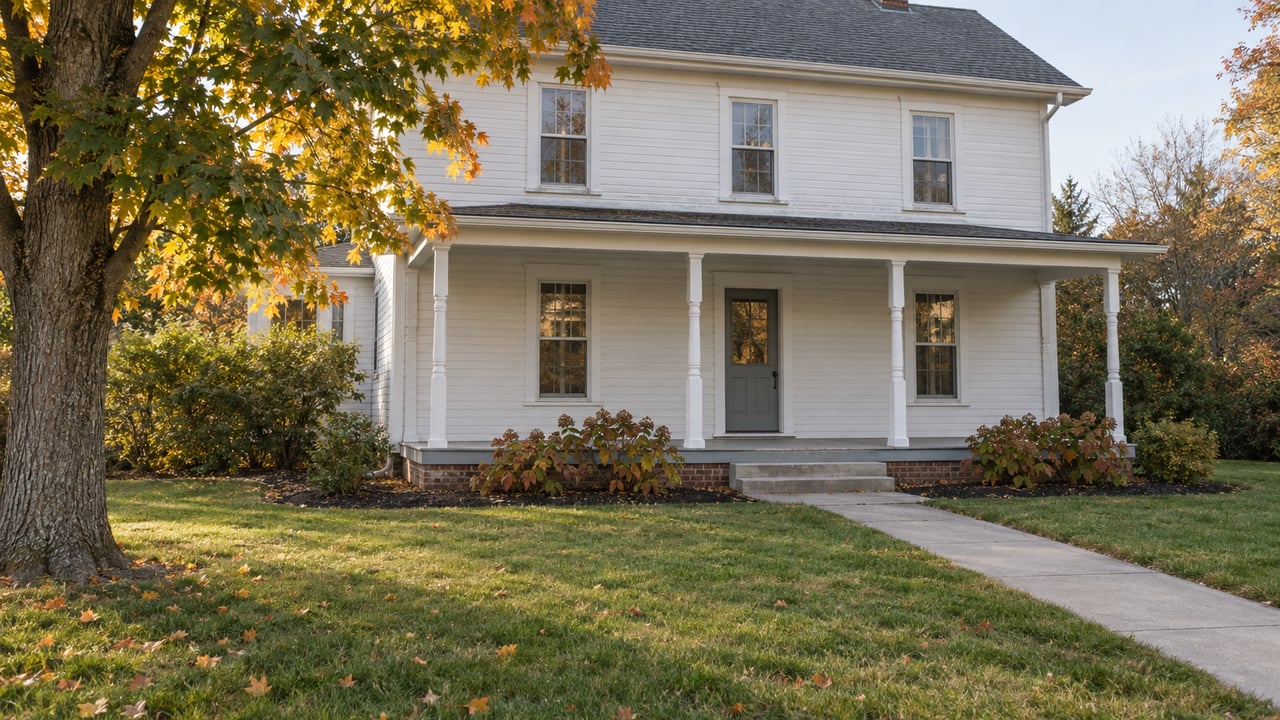
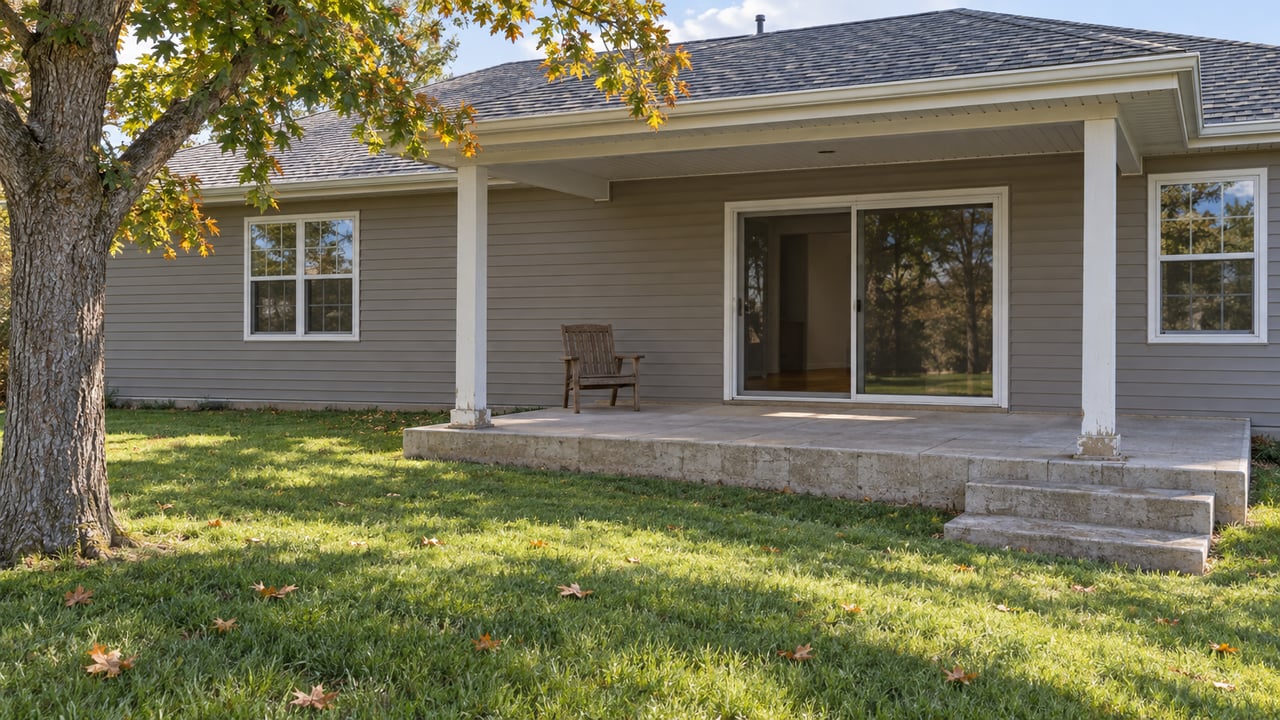
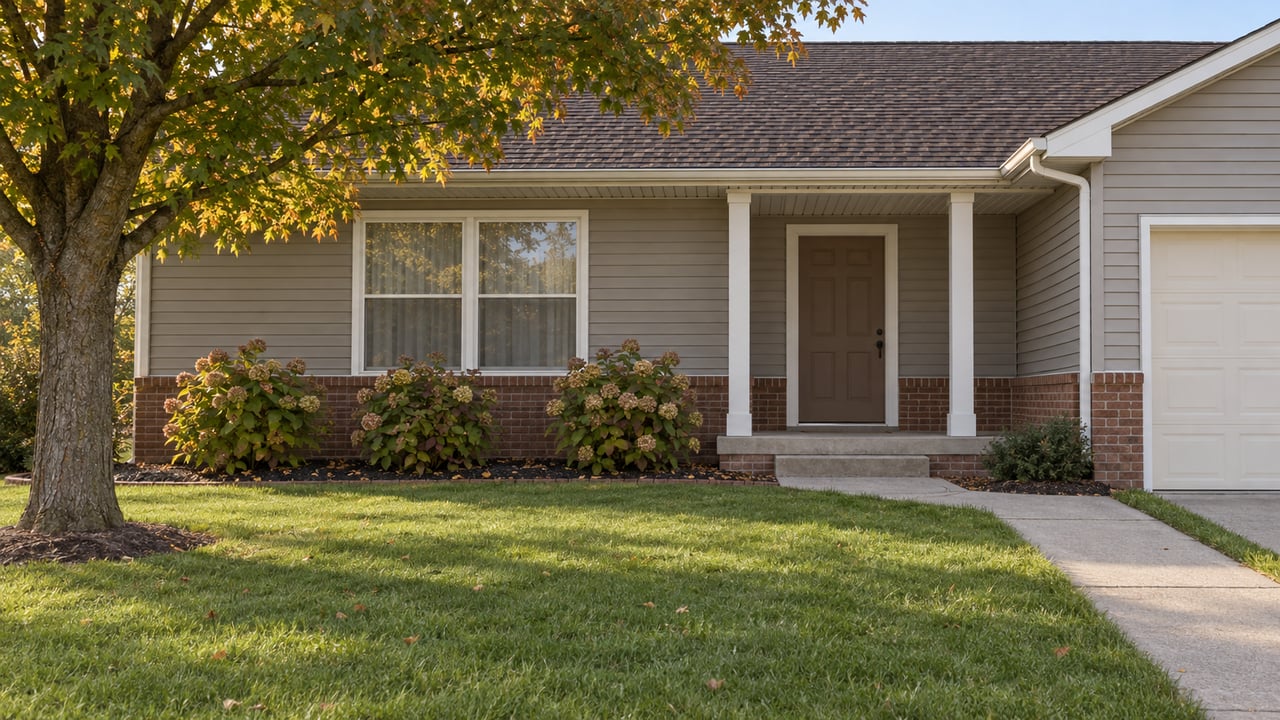
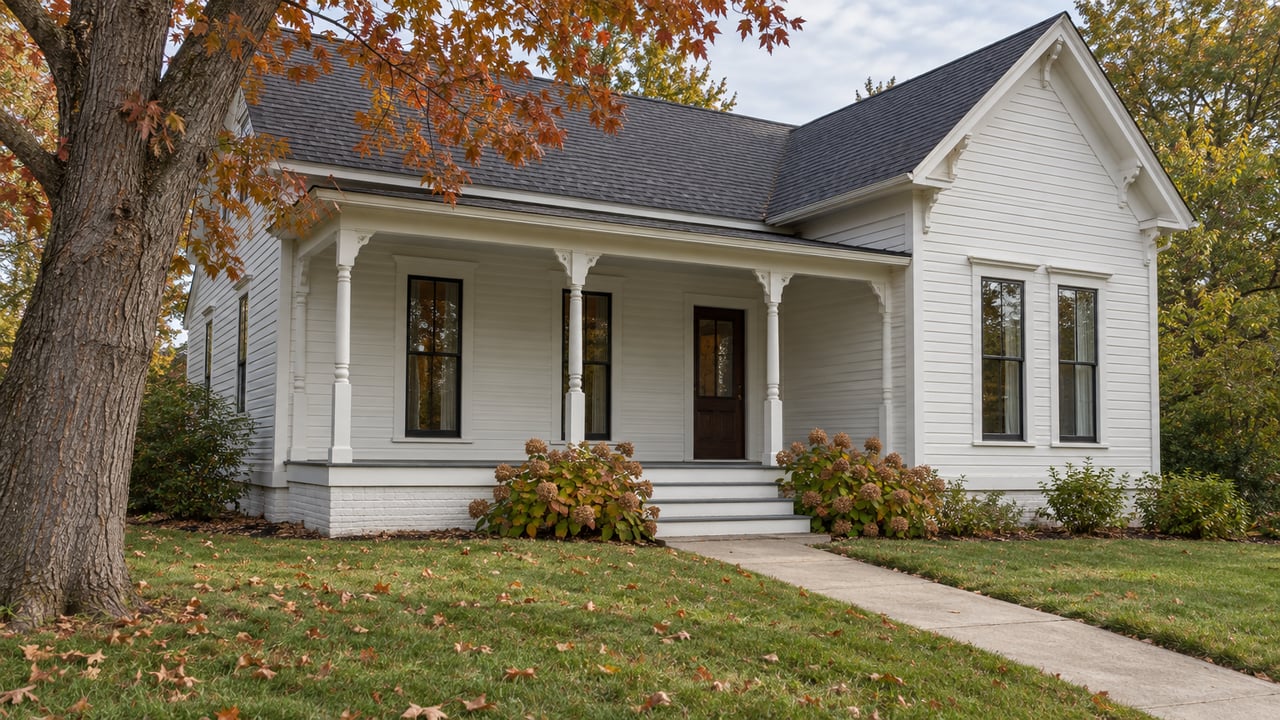
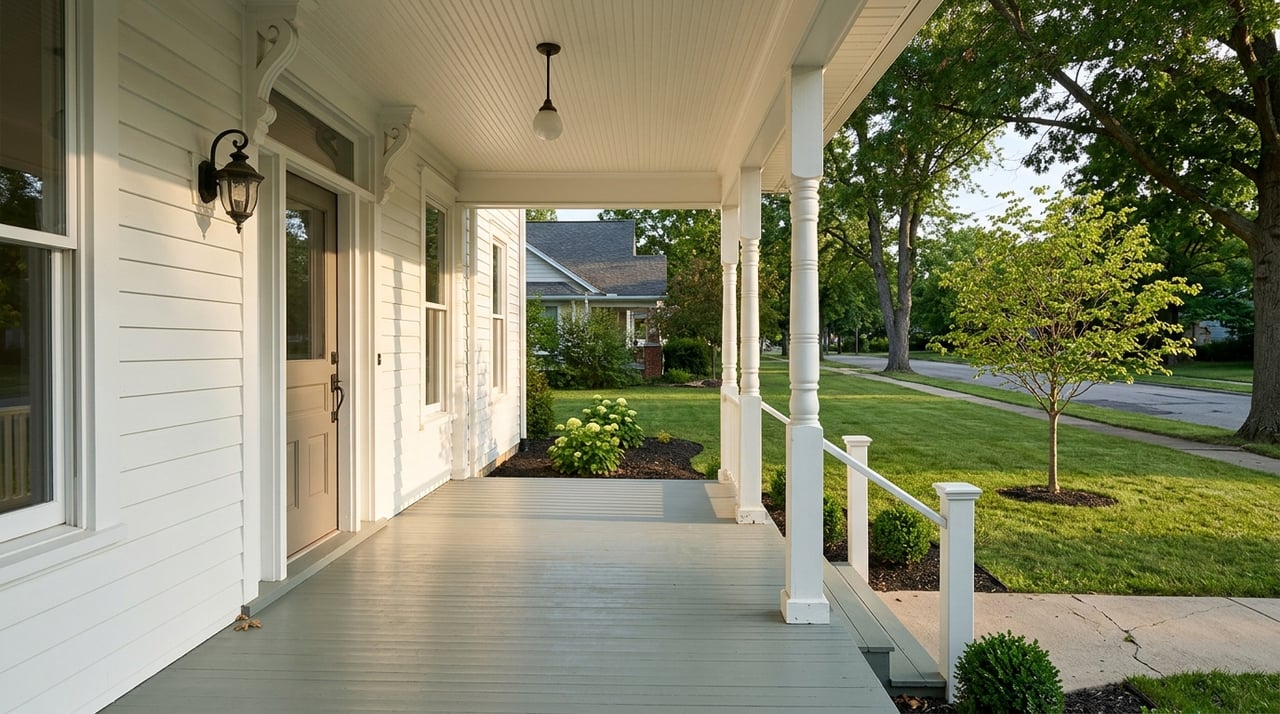
Most in-town listings point to established detached single-family homes instead of large new subdivisions. Current examples on Realtor.com’s Savannah market page include homes like 201 S 10th St at $225,000, 408 N 1st St at $229,900, 901 W Davis St at $279,000, and 608 S 12th Ter at $335,000.
That mix gives many buyers a practical range of options, especially if you want an existing home with more settled streets and lot patterns. You may see homes with varying ages, layouts, and update levels, so it is smart to compare condition and square footage closely.
Just outside the core, listings include addresses such as State Route DD, County Road 186, County Road 361, and W US 71 Highway on the same market overview page. That suggests you may also find edge-of-town or more rural-style properties if you want extra space or a different setting.
Rental options are limited
If you plan to rent before you buy, know that inventory appears thin. Zillow’s rental data for Savannah shows only 4 available rentals, with an average rent of $700 and a range from $345 to $2,500.
That does not mean you cannot find a short-term option, but it does mean you may need to move quickly when something becomes available. If you are relocating from out of town, a home search plan matters even more when rental choices are limited.
Schools in Savannah
Savannah’s public school setup is fairly simple compared with larger metro areas. The Savannah R-III School District lists seven schools: Early Learning Center, Amazonia Elementary, Helena Elementary, John Glenn Elementary, Minnie Cline Elementary, Savannah Middle School, and Savannah High School.
For buyers who want a straightforward district structure, that can be a plus. The district covers early learning through high school, which makes the school search process more direct than in areas with multiple overlapping systems.
Current school profile details on Realtor.com’s market page note Minnie Cline Elementary at a 17:1 student-teacher ratio with 592 students, Savannah Middle School at 14:1 with 530 students, and Savannah High School at 16:1 with 712 students. Those figures can help you understand school scale, but you should still review district information and visit schools if that is a major part of your decision.
Daily life and city services
One of Savannah’s strengths is that many local services are easy to identify and access. The City of Savannah departments page lists a full-time police department, volunteer fire department, municipal water, sewer and trash service, public works, building and zoning, parks, and a city text-alert system.
For buyers, that creates a practical sense of how the city operates. You are not moving into a place with endless layers of systems and submarkets. Instead, the setup is fairly direct, which can make day-to-day living feel simpler.
The civic core is also compact. According to Andrew County, the courthouse at 411 Court Street houses most county offices as well as the Savannah Chamber of Commerce. That supports the sense that many local functions are centered in one small, recognizable area.
Parks and recreation in Savannah
If outdoor space matters to you, Savannah offers more than you might expect for its size. The city parks page says Savannah has three public parks, including 90-acre Harry F. Duncan Memorial Park and 25-acre Messick Park, plus the Savannah Youth Sports Complex and a municipal pool.
The Missouri Department of Conservation information referenced on the city parks page also notes Savannah City Lake as a 22-acre lake in a 62-acre park with fishing, hiking, picnicking, and birdwatching. That gives buyers a few solid options for outdoor recreation close to home.
Golf is another local amenity. The city’s Duncan Hills Golf Course page confirms that Savannah has a public 18-hole municipal course. For some buyers, amenities like parks, trails, lake access, and golf help balance the trade-off of living in a smaller market.
Main trade-offs to consider
Savannah can be a strong fit if you want a short commute to St. Joseph, a smaller community footprint, and a housing market with established homes. It may also appeal to buyers looking for edge-of-town or rural-style options without moving too far from everyday services.
The main trade-off is selection. Because Savannah is a smaller city, the number of homes for sale and rentals tends to be limited. That means your timing matters, and you may need to stay flexible on exact finishes, lot size, or move-in date.
Tips before buying in Savannah
If Savannah is on your shortlist, a focused plan can help you move faster and make a better decision.
- Set your budget around current listings. Older census value data is useful context, but active list prices are the better guide for today’s market.
- Decide whether you want in-town or edge-of-town living. Savannah offers both patterns, and your daily routine may look different depending on location.
- Review commute expectations early. If you work in St. Joseph, test the route that fits your schedule.
- Look at school logistics directly. Review the Savannah R-III School District for current boundaries, calendars, and campus details.
- Be ready for limited inventory. A smaller market often means fewer choices at any given time.
If you are weighing Savannah against St. Joseph or nearby northwest Missouri communities, local guidance can make the comparison easier. The team at CHL Group can help you evaluate available homes, compare property types, and build a search plan that fits your budget and goals.
FAQs
What is the average home price in Savannah, Missouri?
- Current market snapshots show Savannah home prices generally in the low-to-mid $200,000s, with Zillow reporting an average home value of $257,346 and Realtor.com reporting a median listing price of $233,400.
How far is Savannah, Missouri, from St. Joseph?
- Travelmath estimates the drive from Savannah to St. Joseph at about 15 miles and 19 minutes under typical traffic.
What types of homes are common in Savannah, Missouri?
- Current listings suggest Savannah buyers will mostly find established detached single-family homes in town, along with some edge-of-town and rural-style properties on highway or county-road addresses.
Are there many rentals in Savannah, Missouri?
- No. Zillow rental data shows only 4 available rentals, which suggests rental inventory is much thinner than the for-sale market.
Which public schools serve Savannah, Missouri homebuyers?
- The Savannah R-III School District serves the area and includes the Early Learning Center, Amazonia Elementary, Helena Elementary, John Glenn Elementary, Minnie Cline Elementary, Savannah Middle School, and Savannah High School.
What amenities does Savannah, Missouri, offer residents?
- Savannah offers local city services, public parks, a municipal pool, youth sports facilities, Savannah City Lake, and the city-owned Duncan Hills Golf Course.