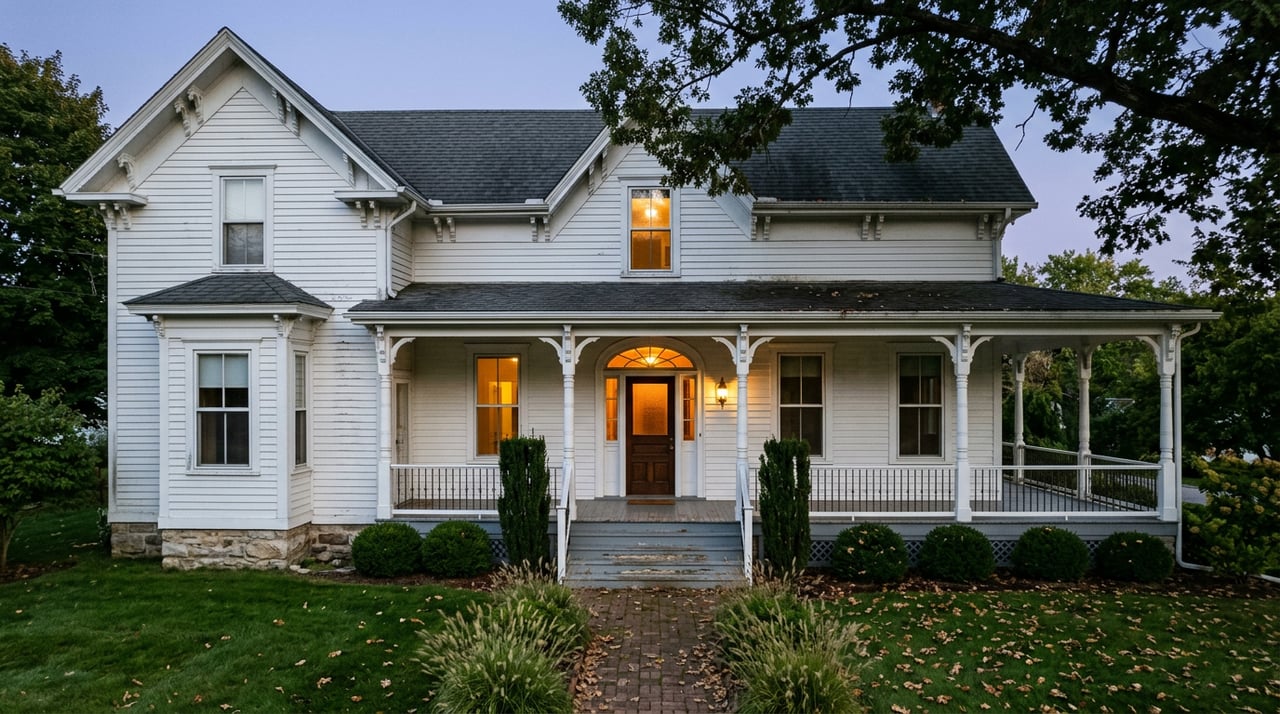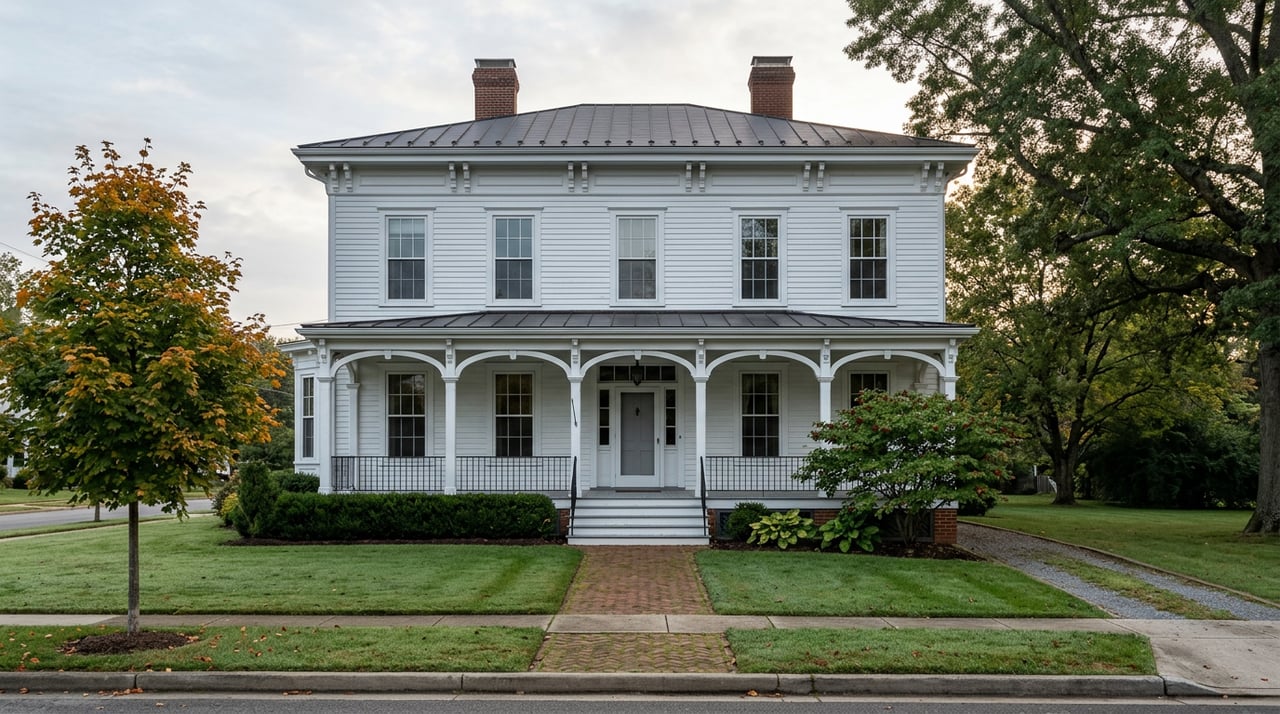
Walk the historic stretch of Lover's Lane and you'll pass two kinds of houses standing almost shoulder to shoulder. One is a turn-of-the-century foursquare with peeling paint, a sagging porch rail, and a for-sale sign that's been there since spring. The other, a few doors down, has fresh siding, updated windows, and a listing price nearly double its neighbor's. Most buyers look at that gap and draw the obvious conclusion: pay less for work, pay more for done.
That conclusion isn't wrong. It's just incomplete. There's a state tax credit sitting inside that price gap that most buyers never factor into the comparison, and once you do the math with it, the "premium" for the renovated house looks a lot smaller than the listing prices suggest.
The Range Nobody Explains
Lover's Lane doesn't price like a typical St. Joseph street because it isn't architecturally uniform. The southern end holds the oldest housing stock in the corridor, turn-of-the-20th-century construction that gradually gives way to midcentury designs as you move north. Cape Cods and bungalows on the street have traded in the $10,000s up through the $130,000s. Victorian and Tudor homes on the same street have sold anywhere from the $110,000s to the $280,000s. That's not a typo. Two categories of home on one street, and the price bands overlap by more than $100,000.
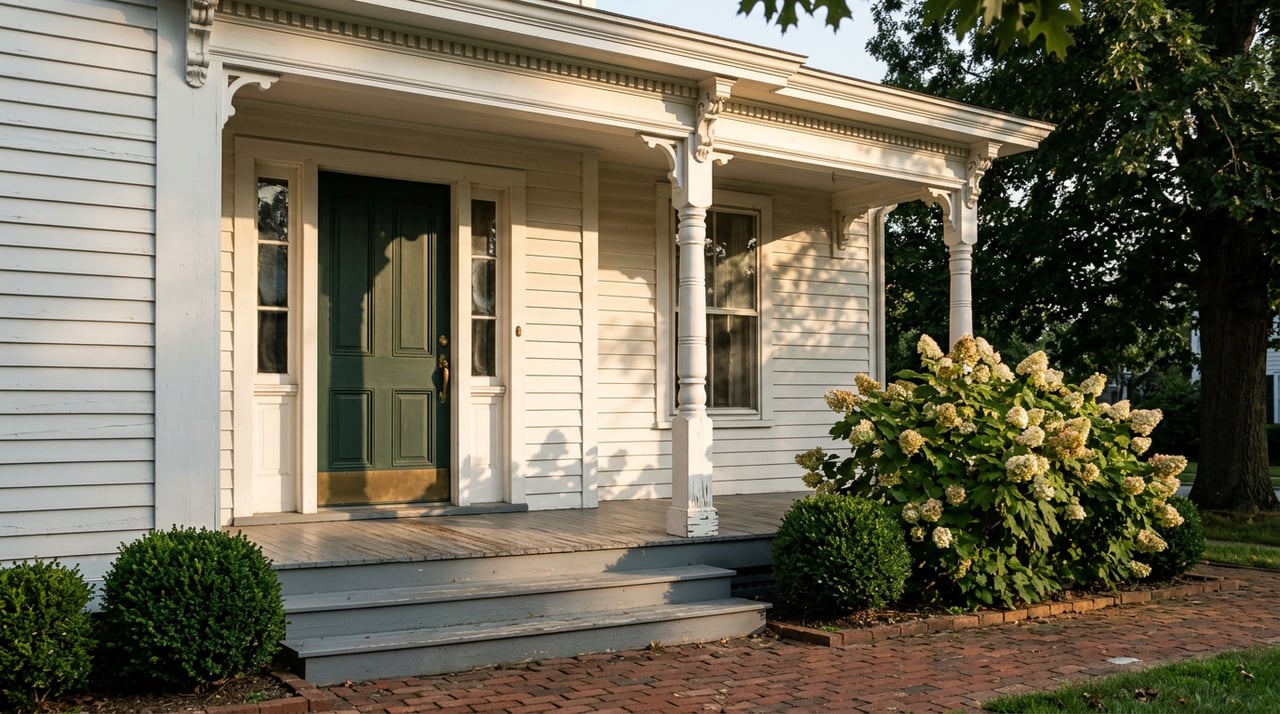
Renovation status explains a lot of that spread, though not in the direction most buyers assume. A two-story historic home on the street's tree-lined stretch listed this spring at just under $250,000, and the listing highlighted its original hardwood floors, vintage windows, and classic light fixtures still intact, with only one of its two bathrooms updated. An unrenovated foursquare of similar vintage nearby can sit closer to $120,000. The gap isn't simply "done" versus "undone." Sometimes the higher price belongs to the house that kept more of its original material, not the one that got gutted and modernized. That distinction turns out to matter for reasons that have nothing to do with curb appeal.
For a buyer comparing neighborhoods, that's the number worth pausing on. A wide price range usually signals one of two things: inconsistent quality, or an underlying cost structure that isn't showing up in the sticker price. On Lover's Lane, it's the second one.
What Changed in August 2024
Missouri's historic preservation tax credit has existed since 1998, offering a 25 percent state credit against the cost of a qualifying rehabilitation. Missouri signed the Historic, Rural Revitalization, and Regulatory Streamlining Act into law in 2024, effective that August, and one provision matters directly to anyone buying on Lover's Lane: the credit jumps to 35 percent of qualifying rehab costs for certified historic structures located outside Kansas City and St. Louis, in cities under 400,000 people. St. Joseph fits that description.
That change didn't get much attention outside preservation and tax circles, but it changes the arithmetic on every fixer-upper on the street. A dollar-for-dollar reduction in your Missouri income tax liability, worth more than a third of what you spend bringing a historic house back to life, is a meaningfully different proposition than a 25 percent credit. And unlike the federal historic tax credit, which only applies to income-producing property, Missouri's state credit is available to owner-occupied homes too. You don't have to turn the house into a rental to use it.
What the Credit Actually Requires
This isn't free money for anyone who buys an old house and repaints the trim. The requirements are specific, and missing one of them means missing the credit entirely.
The property has to be a certified historic structure, either individually listed on the National Register of Historic Places or recognized as contributing to a National Register district or a certified local district. Being old isn't the same as being certified. Qualifying rehabilitation costs have to exceed 50 percent of what you paid for the property, so a light refresh won't clear the bar. The work itself has to meet the Secretary of the Interior's Standards for Rehabilitation, reviewed by Missouri's State Historic Preservation Office, which means decisions about windows, siding, and additions aren't purely up to the homeowner.
There's a procedural trap here too. Applicants are advised to wait for signed approval on their proposed scope of work before starting any demolition or construction. Buy a Lover's Lane fixer-upper, get excited, and start ripping out drywall before the paperwork clears, and you risk doing the work at your own expense with no credit to show for it. As of October 2024, applications go through an online portal called Submittable, and they can be filed year-round rather than waiting for a fixed cycle, which at least removes one old bottleneck.
Here's what the math looks like when it's laid out side by side, using rounded numbers from the actual range seen on the street this year:
| Buy turnkey | Buy and rehab | |
|---|---|---|
| Purchase price | ~$250,000 | ~$120,000 |
| Rehab spend | $0 | ~$60,000 (meets the 50% threshold) |
| State credit (35%) | $0 | ~$21,000 |
| Approximate net cost | $250,000 | ~$159,000 |
That's illustrative, not a quote, and it assumes the rehab qualifies and clears SHPO review. It's also not tax advice. The credit offsets your Missouri income tax liability, and unused portions can be carried back three years or forward ten. If your tax liability can't absorb it, the credit can also be sold or exchanged, which is worth knowing if you're weighing whether the numbers pencil out for your specific situation. A CPA familiar with the program, or a direct conversation with the State Historic Preservation Office, is the right next step before you assume any of this applies to a specific house.
Where the Street Itself Complicates the Math
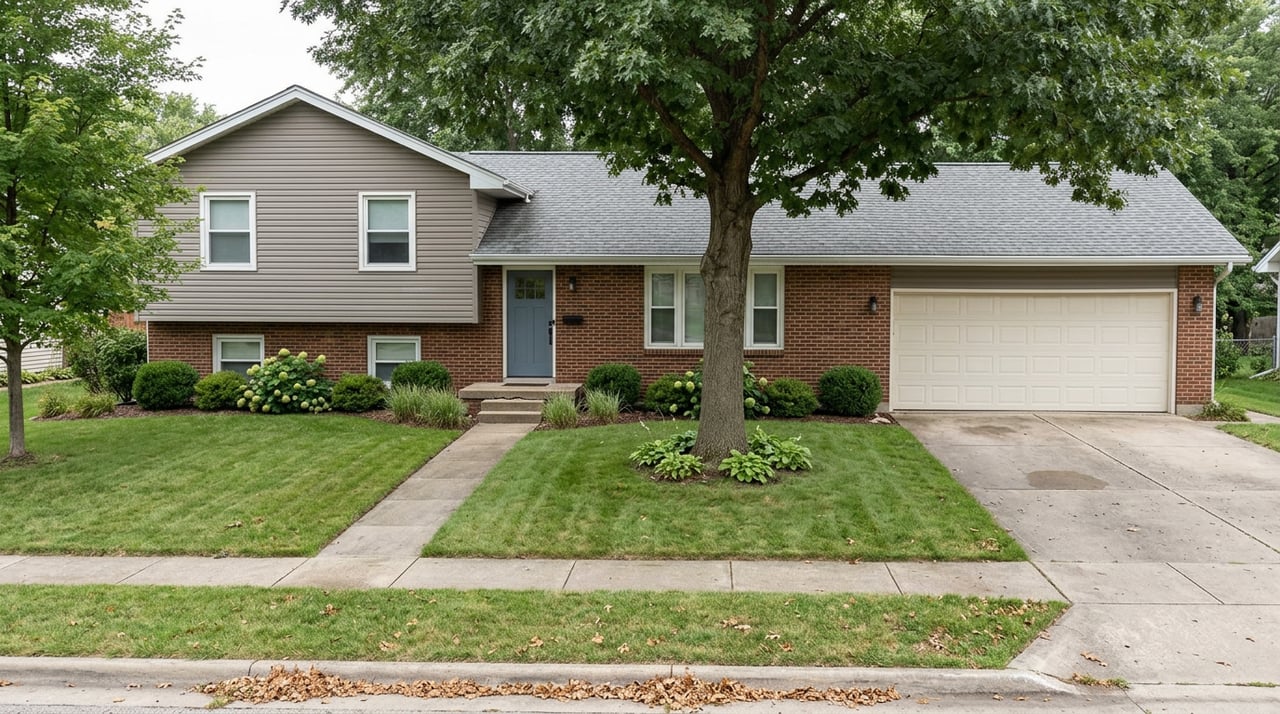
This is where Lover's Lane gets more interesting than a generic "buy a fixer-upper" pitch. The credit isn't evenly available across the street. The turn-of-the-century homes clustered toward the south end are far more likely to sit within a National Register district or carry individual listing status. The midcentury homes further north, the ones that replaced older construction as the street developed, are less likely to qualify at all.
That means the same street can contain two houses that look similarly "old" to an untrained eye, where one is eligible for a 35 percent rehab credit and the other isn't eligible for anything. Age alone doesn't answer the question. Certification does. Before anyone assumes a fixer-upper on Lover's Lane comes with this incentive attached, the honest first step is confirming where that specific address sits relative to district boundaries, something the city's historic preservation office can verify.
Who This Actually Helps
This math favors a buyer who's willing to manage a real rehabilitation project on someone else's timeline, not their own. Standards review, SHPO sign-off, and a construction budget that has to clear 50 percent of the purchase price aren't small asks. It's a poor fit for anyone who needs to close and move in within thirty days.
It's a good fit for a buyer with some renovation tolerance, or an investor converting a historic property to a rental, who may also be able to pursue the federal 20 percent credit alongside Missouri's 35 percent since that credit is open to income-producing property. For that buyer, the unrenovated homes at the low end of Lover's Lane's price range aren't a discount. They're a different asset with a different, and potentially more favorable, cost structure once the credit is applied correctly.
A Few Questions Worth Asking Directly
Does the credit only apply to houses I buy new, or can I use it on a house I already own? The credit applies to qualifying rehabilitation expenditures regardless of how long you've owned the property, as long as the work and the structure meet the program's standards.
Do I need to already be inside a formally designated historic district? Yes, in one of two ways. The property must be individually listed on the National Register or recognized as contributing to a National Register district or certified local district. This is worth confirming before you budget around the credit.
Can I start renovating right after closing? Only at your own risk. Applicants are advised to wait for signed approval on the scope of work from the reviewing agencies before any demolition or construction begins.
The Takeaway
The wide price range on Lover's Lane isn't a sign of an inconsistent market. It's a sign that half the street is priced for buyers who already understand how Missouri's rehab credit works, and half is priced for buyers who don't. Knowing which house you're looking at, and whether it actually qualifies, changes what "the right price" means before you ever write an offer.
If you're comparing a fixer-upper against a turnkey option on Lover's Lane or elsewhere in St. Joseph, the team at Coder Haggard Lehr Real Estate Group can walk through what a specific address's historic status actually is and what that means for your numbers. Get Your Instant Home Valuation to see where a property on the street stands today, then let's talk through what the rehab math looks like for your situation.